Probably Stolen progression guide
By the Probably Stolen Wiki editors
Updated
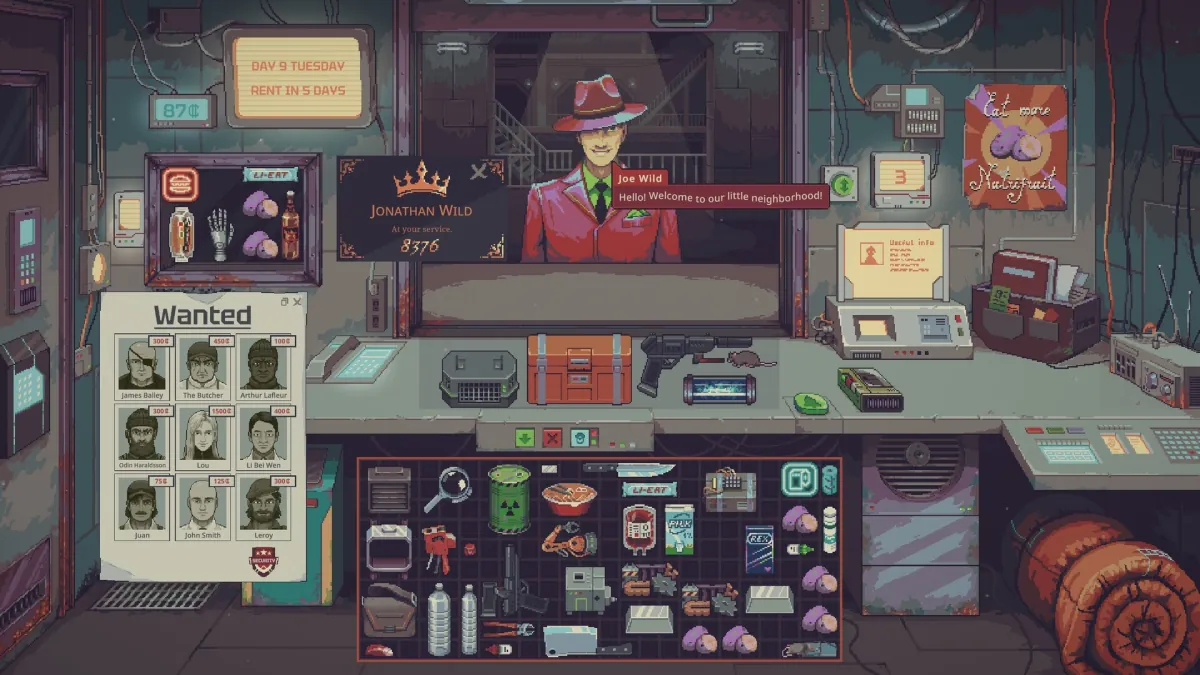
Probably Stolen progression works by earning money through trading, paying rent, and working toward owning your shop. The Steam store page says paying rent lets you expand your operation, run multiple businesses, and unlock new merchandise and production opportunities. That gives your progress a clear direction: keep the shop operating while building toward ownership.
How does Probably Stolen progression work?
Probably Stolen progression revolves around trading, rent, and the goal of owning the shop. The game’s Steam store page says the goal is to earn enough to buy out your shop before rising rent forces your hand. Rent is therefore an ongoing payment to manage while you work toward a larger operation and eventual ownership.
The progression guide here is easiest to read as a series of connected goals. Trading earns money; rent comes due every seven days; paying rent lets the operation expand; and the longer-term aim is to buy the shop. The All Things guide describes trading, paying rent every seven days, and working toward ownership as the core progression loop.
How do rent and business expansion work?
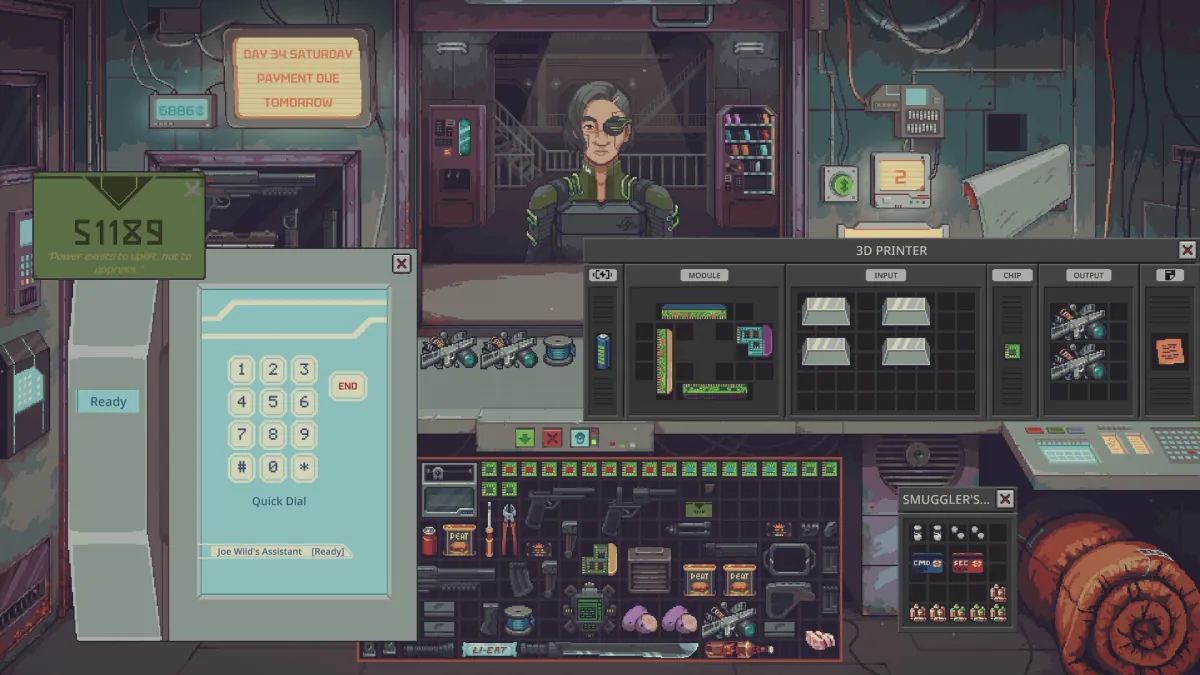
Paying rent lets you expand your operation, run multiple businesses, and unlock new merchandise and production opportunities. The Steam store page connects rent payment to those opportunities, so rent is both a recurring obligation and a condition tied to growth. Earning money supports the payment, and paying it opens room to grow.
The Steam store page frames rising rent as pressure to buy out the shop before it forces your hand. That creates two linked goals for a player: keep meeting rent while building toward ownership. The seven-day rent interval gives you a regular payment cycle, while expansion remains part of the larger ownership goal.
- Trade to earn money, then plan around rent coming due every seven days.
- Pay rent to expand the operation, run multiple businesses, and unlock merchandise and production opportunities.
- Keep the goal of buying out the shop in view as rent rises.
How does the store unlock things over time?
The store’s description ties new opportunities to paying rent: payments let the player expand, add multiple businesses, and unlock merchandise and production opportunities. That is the clearest stated answer to how progression works over time. Connect rent payments with access to growth as you build toward owning the shop.
Advanced licenses unlock access to the underground market, according to the Steam store page. This gives licenses a separate role in progression: paying rent is tied to business expansion, while advanced licenses open access to that market. The two stated routes are rent for business growth and licenses for underground market access.
What does the ownership goal mean for your plan?
Buying out the shop is the stated long-term goal, and the Steam store page presents that goal against rising rent. Probably Stolen progression therefore has a clear destination alongside its ongoing payments: earn enough to take ownership before increasing rent forces a decision. Keep that ownership goal in view as you trade and manage rent.
A simple plan based on the described systems is to earn money through trading, make rent payments on the seven-day cycle, and use those payments to expand. Keep ownership as the larger goal while considering the separate unlock from advanced licenses. For related topics on this site, see Rent and buying the store, Money, and Calendar.
Where can you get Probably Stolen, and what is its listed price?
Probably Stolen was released on Steam on October 28, 2026, and the Steam store lists it at $19.99. The Steam store page is the cited source for the release date and price. A separate Probably Stolen fan site also lists the October 28, 2026 release date, Windows PC availability through Steam, and a $19.99 price.
The game is listed for Windows through Steam, and its listed price is $19.99. The Probably Stolen FAQ fan site gives the platform and base game price. These details help orient players looking for the game, while the progression itself is described through trading, rent, business expansion, licenses, and the goal of owning the shop.
| Entries | How it is counted |
|---|---|
| Rent interval | 7 days |
| Release month | 10 |
| Release day | 28 |
| Release year | 2026 |
| Listed price | $19.99 |
What is our take on Probably Stolen progression?
Our take is that the progression has a clear economic backbone: trade for money, meet rent every seven days, and work toward buying the shop. The store’s description adds a growth payoff for rent payments, including multiple businesses, merchandise, and production opportunities. Those pieces give players a way to understand what each stage is for without needing to assume an exact unlock sequence.
Probably Stolen progression also has a distinct license gate: advanced licenses open access to the underground market. Taken together, the stated systems point to several goals that can be kept in view at once: handle rent, build the operation through the opportunities attached to payment, pursue licenses for market access, and aim for ownership.
What broader progression themes appear in the spoiler walkthrough?
Spoilers: click to expand
The Probably Stolen walkthrough on the Probably Stolen Game Wiki fan site describes progression as centered on paying rent, building a product line, protecting reputation, and eventually buying the building. This is a broader description of the progression themes than the store page’s account of rent, expansion, merchandise, production, and ownership. Because it includes spoiler material, this section is separated from the spoiler-free guidance above.
That walkthrough’s summary places the ownership goal alongside product and reputation themes. Read alongside the store description, the overall direction still points toward sustaining the shop and growing it before buying the building. The Probably Stolen Game Wiki fan site is the source for this spoiler-marked summary; the section does not add a sequence, requirement, or mechanic beyond what that summary states.
Gallery
Frequently asked questions
How does Probably Stolen progression work?
Probably Stolen progression works through trading for money, paying rent every seven days, and working toward owning the shop. Paying rent lets you expand the operation, run multiple businesses, and unlock merchandise and production opportunities.
What should I focus on first in a Probably Stolen progression guide?
Focus on earning money through trading and keeping the seven-day rent cycle in view. The stated long-term goal is to buy out the shop, while rent payments are tied to opportunities for expansion.
What unlocks new businesses and merchandise in Probably Stolen?
Paying rent lets you expand your operation, run multiple businesses, and unlock new merchandise and production opportunities. Those opportunities connect rent payments with growth in the shop.
How do advanced licenses affect Probably Stolen progression?
Advanced licenses unlock access to the underground market. That gives licenses a distinct role alongside rent payments, which are tied to business expansion.
How often do you pay rent in Probably Stolen?
The All Things guide says rent is paid every seven days. The Steam store page also describes rising rent as pressure to buy out the shop before it forces your hand.
What is the main goal of Probably Stolen progression?
The main goal is to earn enough to buy out the shop before rising rent forces your hand. Probably Stolen progression also includes paying rent to expand the operation and using advanced licenses to access the underground market.
Sources
- Save 10% on Probably Stolen - Cyberpunk Shopkeeper Sim on Steam
- Probably Stolen | Lower Levels Ledger
- Probably Stolen Walkthrough: Route, Milestones and Ending
- Probably Stolen Guide – Shop Tips, Story Choices & Endings
- Probably Stolen Guide: Every Step From Day 1 to Buying the Store
- Beginner FAQ: Controls, Rent & Release