Probably Stolen plant traits and Genetics
By the Probably Stolen Wiki editors
Updated
Probably Stolen plant traits are read, applied, extracted, and inherited through seed genetics: breeding passes a parent’s registered trait ranks to new seeds, which clear their genetic heat. The Probably Stolen Game Wiki fan site describes the DNA Manipulator as the machine that moves traits between seeds using DNA Data Disks. A Gene Scanner reads seed genetics.
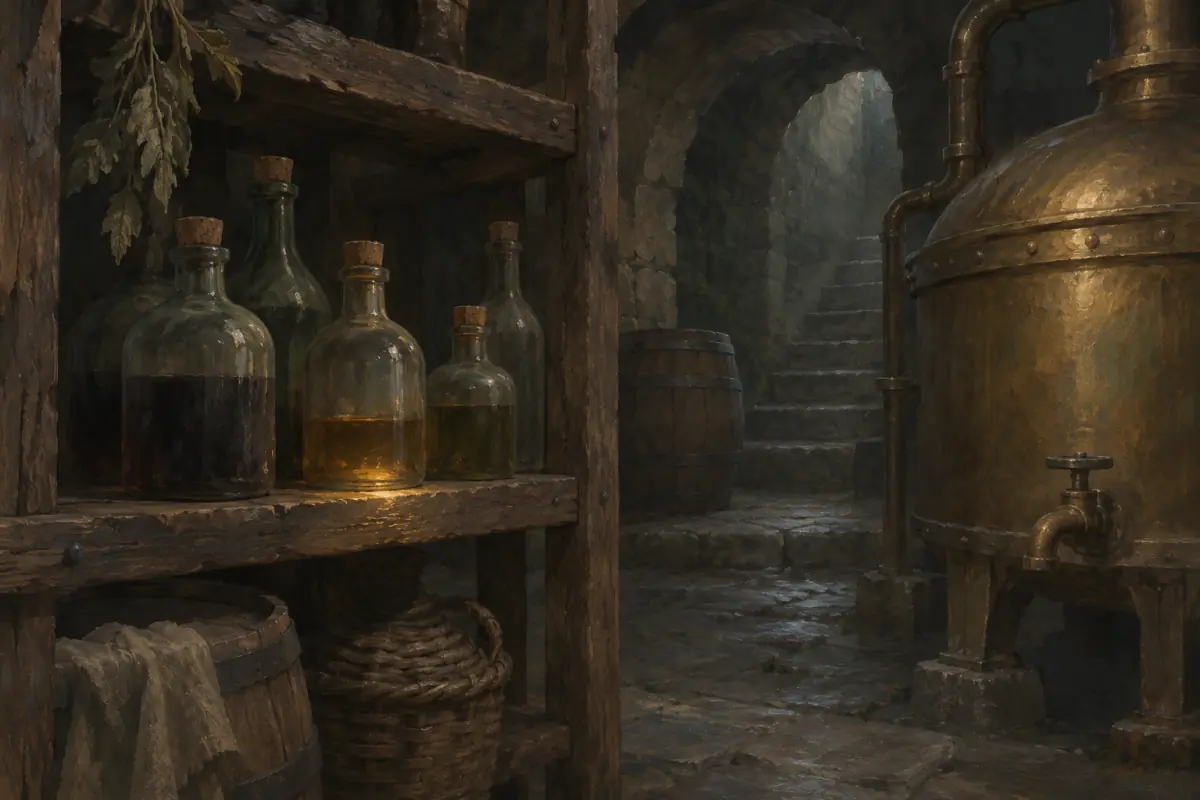
How plant traits works during seed editing
A seed’s genetics include its traits, trait ranks, complexity, and genetic heat, and the Gene Scanner reads those values before editing. Probably Stolen plant traits are easier to follow as a sequence: inspect a seed, choose an application or extraction route with the DNA Manipulator, then check which registered ranks breeding carries forward. A DNA Data Disk holds one trait.
A successful application adds the written disk’s trait rank to the seed and spends one disk use. The Game Wiki Station fan site says a successful application raises the trait rank up to its limit, while a failed attempt adds genetic heat. Genetic heat and complexity affect editing workload and success chance; effective complexity combines seed complexity with accumulated heat. The sources describe these relationships, but do not give a formula to calculate an individual attempt.
Which entries does the plant traits guide cover?
Breeding passes a parent plant’s trait ranks to seeds from its harvest, and those new seeds clear their own genetic heat. The Probably Stolen plant traits table collects each genetics and breeding entry described in the game references. Individual trait names are not included in those entries, so the rows identify the documented trait handling and inheritance rules instead of assigning names or effects to traits.
| Entries | How it is counted |
|---|---|
| Traits read by the Gene Scanner | The scanner reads a seed’s traits, ranks, complexity, and genetic heat. |
| Trait rank added by a written disk | A successful application adds the disk’s trait rank and spends one disk use. |
| Trait rank after a successful application | The rank rises up to its limit; a failed attempt adds genetic heat. |
| Trait on a DNA Data Disk | One disk holds one trait. |
| Trait extraction from a seed not born with that trait | Extraction gives one charge. |
| Extraction of an innate trait | Charges equal the trait’s current rank. |
| Trait ranks copied to new seeds | Seeds from a harvest copy all trait ranks of their parent plant. |
| Genetic heat on new seeds | Returned seeds inherit their parent seed’s trait ranks and lose their genetic heat. |
| DNA Manipulator slots | The machine has 3 separate slots: seed, input disk, and output disk. |
| Blank disks granted by the Plant Genetics network project | The project grants 4 blank disks, along with a DNA Manipulator and Gene Scanner. |
| Dr. Jackson’s stock roll for the Negative Trait Filter Module | After the Plant Genetics network project, an independent 25% stock roll can add 1 item. |
How the DNA Manipulator chooses an operation
The DNA Manipulator has separate seed, input disk, and output disk slots, and the disk arrangement determines which operation it checks first. A written input disk selects application first; without one, the machine checks the output disk for extraction or refilling. The machine installs and extracts traits, while disks carry the trait information between seeds and the machine.
Power controls whether a job begins and advances. The first powered night starts the job and immediately advances it, while a machine without power does not start or progress. The Plant Genetics network project grants the DNA Manipulator, a Gene Scanner, and four blank disks. For a connected overview of the crop setting, see Hydroponics and Plants.
What extraction returns to a disk
Extraction puts a selected trait onto a disk, and the number of charges depends on whether the seed was born with that trait. Extracting a trait the seed was not born with gives one charge; extracting an innate trait gives charges equal to its current rank. Extraction adds genetic heat whether it succeeds or fails, so the seed’s heat matters when you consider later editing.
The Genetic Stabilizer Module changes what happens to the plant being extracted. With the module, a successful extraction removes one rank of the extracted trait, while a failed extraction removes none; the plant is preserved. Without the stabilizer, extraction destroys the target on both success and failure. The Precision Extraction Module can bind a written disk’s trait as the extraction target without spending a use.
How extraction filters and precision targeting work
A bound Precision Extraction Module prioritizes its selected trait when extracting into a blank disk, but the seed must still carry an extractable copy. If the Precision module is unbound, the machine falls back to random trait selection. The module fits DNA Manipulator module bays, and its target binding gives the machine a specified trait to seek during extraction.
The Positive Trait Filter Module keeps only non-negative candidates during random extraction into a blank disk. The Negative Trait Filter Module keeps only negative candidates in that same random extraction situation; negative candidates have complexity per rank below zero or a positive per-rank complexity offset. Combining positive and negative filters empties the candidate pool. A bound Precision module or a written output disk specifies the trait first and bypasses the Positive Trait Filter Module.
What breeding passes to the next seeds
Seeds produced from a harvest copy the parent plant’s trait ranks, and their genetic heat is cleared. The genetics reference also describes new same-species seeds as copying the parent’s registered trait ranks and clearing their own heat. That makes inheritance the predictable part of the loop: the ranks are carried forward, while the heat accumulated by the parent does not follow into the new seed.
For a practical reading of Probably Stolen plant traits, keep the seed and the plant it came from in view when planning an edit. A trait that was not present at birth has a different extraction charge count from an innate trait, and the inherited ranks are explicitly carried to harvest seeds. The Plant Genetics page on Game Wiki Station also notes that traits in the same exclusive group cannot be combined, and traits that affect the same stat multiply together.
How should I read Probably Stolen plant traits?
The clearest way to understand Probably Stolen plant traits is to separate inheritance from editing risk. Breeding copies registered trait ranks and clears heat, while editing and extraction involve heat, complexity, disk charges, and the machine’s selected operation. Those documented rules explain the main decisions a player can make without needing to assume that every seed behaves identically.
The machine’s slot priority gives a useful check before starting work: a written input disk selects application; otherwise, the output disk is checked for extraction or refilling. Extraction adds heat even when it fails, and the stabilizer determines whether the target plant survives. The DNA Manipulator item page is a related site entry for the machine, while Dr. Jackson is relevant to the Negative Trait Filter Module’s stock description.
Gallery
Frequently asked questions
How do Probably Stolen plant traits pass to new seeds?
Seeds from a harvest copy all of their parent plant’s trait ranks, and new seeds clear their own genetic heat. The genetics description also says same-species seeds copy the parent’s registered trait ranks.
How do I read Probably Stolen plant traits on a seed?
Use the Gene Scanner to read a seed’s traits, ranks, complexity, and genetic heat. The Plant Analyser is also described as a way to inspect a seed’s traits before using the DNA Manipulator and disks.
What happens when I apply a trait disk?
A successful application adds the written disk’s trait rank to the seed and spends one disk use. A successful application raises the trait rank up to its limit, while a failed attempt adds genetic heat.
How many charges does extracted DNA give?
Extracting a trait that the seed was not born with gives one charge. Extracting an innate trait gives charges equal to its current rank.
Does the DNA Manipulator need power to work?
Yes, power is needed to start and progress a job. The first powered night starts the job and immediately advances it, while no power means no start or progress.
How can I target one trait during extraction?
The Precision Extraction Module can bind a written disk’s trait as the extraction target without spending a use. The seed still needs an extractable copy of that trait, and Probably Stolen plant traits can be extracted into a blank disk when the target is available.
Sources
- Plant DNA Editing · Probably Stolen Wiki
- DNA Manipulator · Probably Stolen Wiki
- Precision Extraction Module · Probably Stolen Wiki
- Genetic Stabilizer Module · Probably Stolen Wiki
- Positive Trait Filter Module · Probably Stolen Wiki
- Negative Trait Filter Module · Probably Stolen Wiki
- Save 10% on Probably Stolen - Cyberpunk Shopkeeper Sim on Steam
- Plant Traits, Genetics and DNA Disks | Probably Stolen Wiki
- Plant genetics and DNA | Probably Stolen Wiki